
Read time: 11 minutes. Skip the intro and jump to the 8-week protocol if you want to start tomorrow morning.
The unfair advantage your competitors are already using
Watch any elite marathoner cross the line at Boston. Watch any pro cyclist climb. Watch Eliud Kipchoge break a world record. You'll notice something most amateur runners miss: their mouths are closed.
Not always. Not at full sprint. But for the entire endurance portion of effort — the 80% of their training that builds the engine — these athletes breathe through their nose.
This isn't an accident. It's a protocol. And it's been documented in performance research dating back to Dr. Konstantin Buteyko's work in 1950s Russia, codified by Patrick McKeown in The Oxygen Advantage, and popularized by James Nestor's Breath (NYT bestseller, 3 million copies sold).
Most runners have never tried it. The ones who have describe the same thing: it's hard for the first two weeks, then suddenly your easy pace gets faster at the same heart rate. Recovery improves. Race-day performance climbs.
This article is the protocol. Eight weeks. Free. Done by Olympians for 70 years. The only tool you'll need is your nose — and one small black strip across the bridge of it, during training and during sleep.
Why nasal breathing actually works (the three mechanisms)
1. Nitric oxide
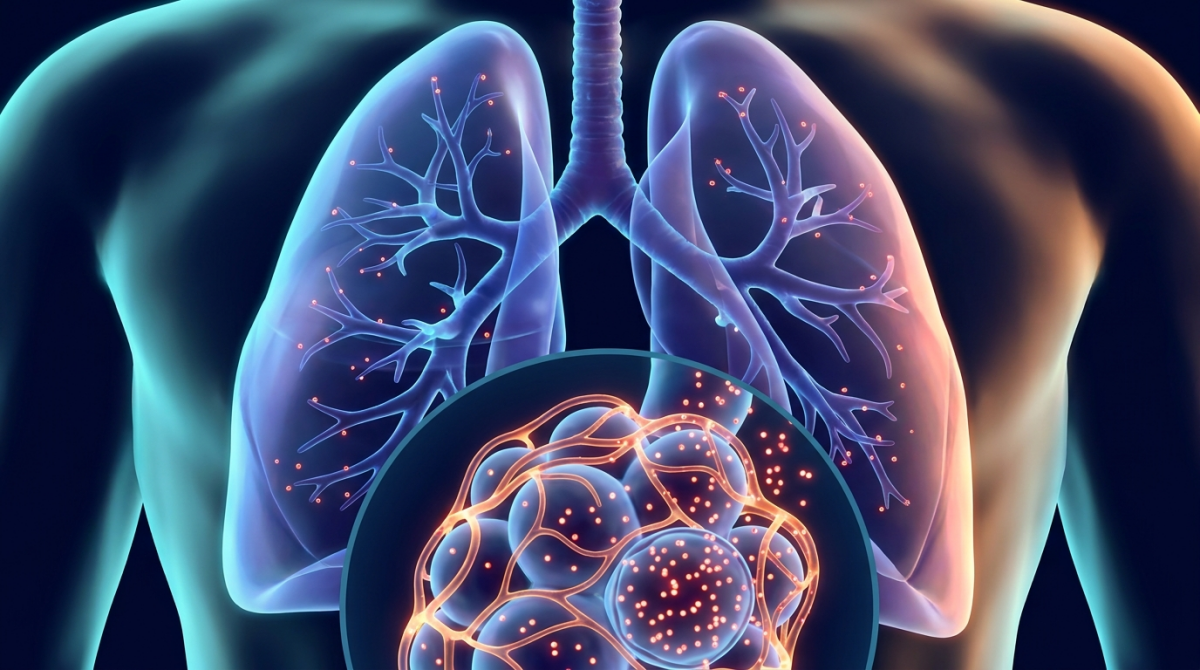
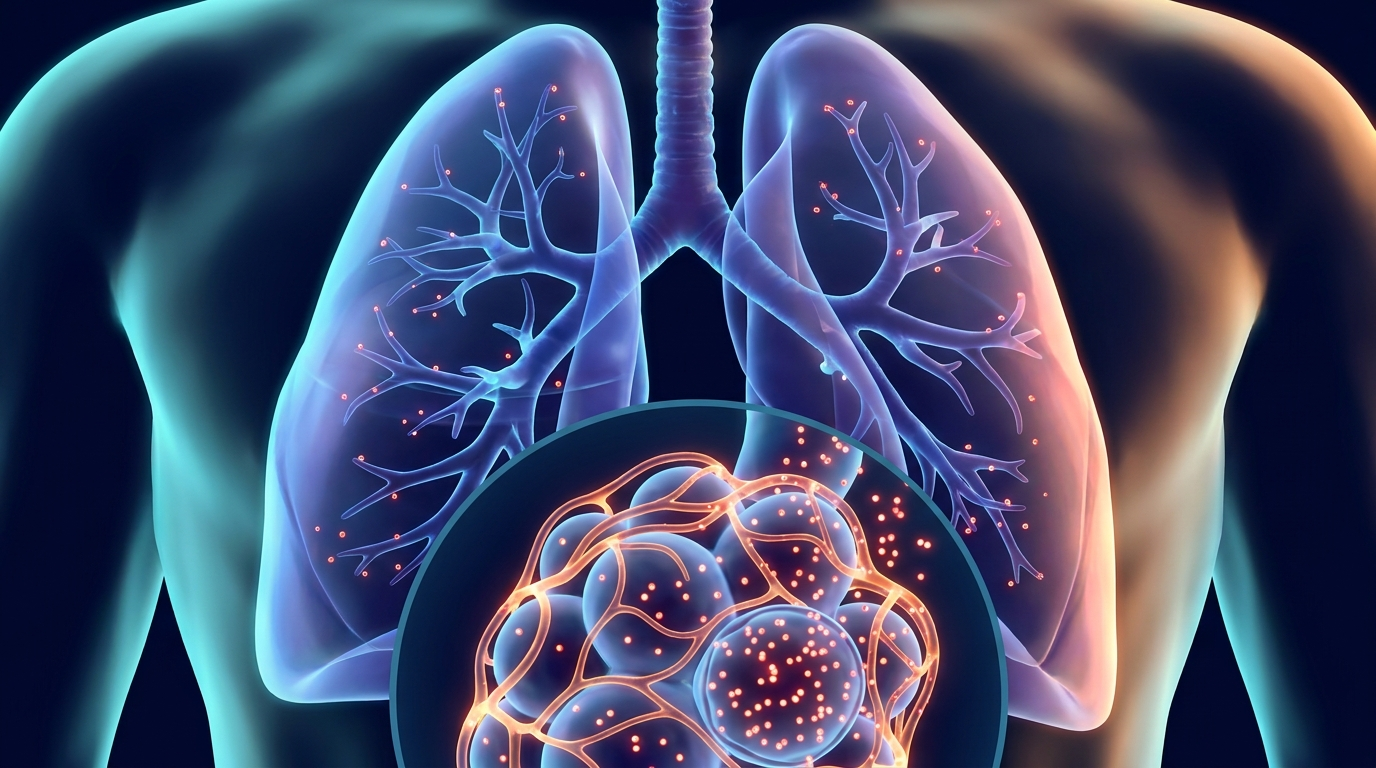
Your nose produces up to 6× more nitric oxide than your mouth. Nitric oxide is a vasodilator — it opens your blood vessels, lowering vascular resistance and delivering more oxygen to working muscles. Mouth breathing bypasses this entirely. Over a 90-minute long run, that's a measurable performance gap.
2. CO₂ tolerance and the Bohr effect
Here's the counterintuitive part: better endurance isn't about getting more oxygen IN. It's about getting more oxygen INTO your cells. The Bohr effect describes how CO₂ in your bloodstream is what unbinds oxygen from hemoglobin so it can be used by muscle tissue.
When you mouth-breathe, you exhale CO₂ too fast. Your body becomes intolerant to CO₂ buildup. Your cells get less oxygen even though your lungs are saturated.
Nasal breathing — and especially the Buteyko Method's "reduced breathing" protocols — trains your body to tolerate higher CO₂ levels. That tolerance translates directly to a lower heart rate at the same pace.
3. The "natural cap"
Your nose physically restricts airflow more than your mouth. This sounds like a disadvantage. It's actually the entire point.
Nasal breathing forces you to slow down at first. That slow-down keeps you in Zone 2 — the aerobic base zone where mitochondrial development happens. Most amateur runners spend their "easy days" too hard (Zone 3 "grey zone" training). Nasal breathing makes Zone 2 mechanically impossible to exit.
You're not handicapping yourself. You're installing a governor that keeps you in the zone that actually builds your engine.
Your baseline: the BOLT score
Before starting the protocol, take the BOLT score test (Body Oxygen Level Test — Patrick McKeown's adaptation of the Buteyko Control Pause).
How to do it:
- Sit upright in a chair for two minutes, breathing normally through your nose.
- After a normal exhale (not a deep one), pinch your nose closed.
- Start a timer. Hold until you feel the first definite urge to breathe — not the maximum you can hold, but the first urge.
- Release, breathe normally through your nose, record the seconds.
Interpreting your score:
- Under 10 seconds: Severe CO₂ intolerance. Huge upside here.
- 10–20 seconds: Typical untrained runner. Mouth-breathing is hurting your easy-day pace by 15–30 seconds per mile.
- 20–30 seconds: Decent. Above-average breather. Protocol will still drop your easy pace.
- 30–40 seconds: Strong. Range of trained nasal breathers.
- 40+ seconds: Elite. Olympic distance runners typically hit 40–60s.
Retest your BOLT every two weeks during the protocol.
What you'll actually gain — by the numbers
Most "benefits of nasal breathing" lists are vague. Here's what the research and the actual practitioners report, separated by confidence level.
Documented in peer-reviewed research
| Outcome | Magnitude | Time to see it |
|---|---|---|
| Nasal nitric oxide vs oral | ~6× higher | Immediate (Lundberg 1996) |
| Resting heart rate reduction | 3–8 bpm lower | 4–6 weeks |
| HRV (heart rate variability) | 10–30% improvement | 7–28 days (visible in Whoop/Oura) |
| BOLT score (CO₂ tolerance) | +5–15 seconds | 8 weeks (McKeown, Oxygen Advantage) |
| Respiratory rate at same VO₂ output | Up to 30% lower | 6 weeks (Dallam 2018, recreational runners) |
| Asthma rescue medication use | 60–70% reduction | 12 weeks (Buteyko clinical trials) |
| Blood pressure (systolic, hypertensive subjects) | 3–8 mmHg reduction | 8 weeks (slow-breathing meta-analyses) |
| Sleep apnea AHI (mild–moderate) | 20–50% reduction | 4–8 weeks (myofunctional + nasal breathing studies) |
Consistently reported by athletes who finish the protocol
- Easy-pace running speed: 15–30 seconds per mile faster at the same heart rate, after 6–8 weeks
- 5K to half-marathon race times: 1–3% improvement reported anecdotally (a 20-minute 5K runner trims ~12–36 seconds)
- Recovery between hard sessions: 24-hour HRV rebound noticeably faster
- Morning energy / brain fog: First-night sleep change for most users
- Workout RPE at same pace: Drops measurably — runs that used to feel "moderate" feel "easy"
- That subtle warm-headed clarity from CO₂-induced cerebral vasodilation, usually within minute 3 of slow nasal breathing
Suggested by mechanism, but not yet proven by long-term RCTs
- Cardiovascular longevity: Slow breathing improves baroreflex sensitivity, BP, and HRV — all independent predictors of cardiovascular mortality. Causal long-term reduction in cardiac events is biologically plausible but not yet proven in a single RCT
- Cognitive performance under fatigue: Cerebral perfusion gains documented; downstream cognitive benefit is biologically plausible
- Lifespan extension: Slow-breathing meditation traditions (monks, freedivers) correlate with longevity but causation isn't isolated
Honest framing: if you're a 30-something runner with no chronic conditions, expect a measurable lower heart rate at the same pace, deeper sleep, higher HRV, and a slightly faster easy run within 6–8 weeks. If you're hypertensive, asthmatic, or have mild sleep apnea, the documented benefits are larger. If you're chasing longevity claims, the mechanism is real but the long-term human RCTs don't exist yet — don't believe anyone who promises you years.
The two-context Strapflow rule for this protocol:
1. During every training session — apply a strip before your warm-up. Keep it on through the entire workout. Sweat-resistant adhesive holds for 12 hours.
2. Every night during sleep — apply before bed. 8 hours of nasal breathing during sleep is the second highest-leverage block of the day.
If you only do one: pick training. The workout is where you'll feel the difference. Sleep wear is where the compounding adaptation happens.

The 8-week protocol
Adapted from Patrick McKeown's Oxygen Advantage progression, with running-specific modifications.
Week 1–2: Foundation
Daily walks (with strip): 20-minute nasal-only walk in the morning. Apply a Strapflow strip before you walk. Keep your mouth closed the entire time. If your nose gets stuffy, slow down — don't switch to mouth.
Daily reduced breathing practice: 5 minutes before bed: nasal in, nasal out, but breathe less than feels natural. Slight air hunger is the training signal.
Running: Continue your normal easy runs. Add 5 minutes of nasal-only running at the end of every easy day. Wear a Strapflow strip during the run. Pace will feel weirdly slow during the nasal portion — that's correct.
Sleep: Apply a Strapflow strip every night before bed.
You're now wearing Strapflow during walks, training, and sleep. That's the point.
Week 3–4: Zone 2 conversion
Running (with strip on for every run): All easy runs are now nasal-only. Apply Strapflow before you head out the door — same as you put on your shoes. If you can't sustain nasal breathing, you're running too hard for Zone 2 — slow down. This is the protocol working.
Hard workouts: Continue mouth breathing during intervals, tempo, race-pace. But keep the strip on. Even during hard efforts, the strip widens your nasal airway and reduces breathing work.
Daily Buteyko: 5 minutes of "Many Small Breath Holds" on waking. BOLT retest end of week 4. You should see +3 to +8 seconds.
Sleep: Strip every night, non-negotiable.
Week 5–6: Sub-threshold work
Running: Nasal-only Zone 2 long run (90+ minutes). Strip on. The benefits compound at this duration in ways shorter sessions don't replicate.
Pickups (strip on): Add "nasal-breathing pickups" — 6×30 seconds at moderate-hard effort, nose only. You'll feel air hunger. Recover with slow nasal breathing.
Heart rate data: At the same easy pace, your HR should be measurably lower now than week 1. Track it. The data is the most motivating part of this protocol.
Buteyko walking: Walk normally, exhale, pinch nose, walk while holding breath until medium discomfort, release. Walk 30 seconds breathing normally. Repeat 5–8 times. McKeown's signature exercise.
Week 7–8: Integration and race-day strategy
Running: Nasal-only is now your default for all easy and moderate work. Strip on for every session. Conversation pace through your nose should be sustainable.
Hard workouts: Try nasal-in / mouth-out as a hybrid. This is what most elite endurance athletes use during tempo and threshold efforts.
Race day: Apply a Strapflow strip before your warm-up. Nasal-only for the first 60-80% of any race longer than 10K. Switch to nasal-in/mouth-out only when you can't sustain the pace through your nose alone.
Final BOLT retest: End of week 8. Most runners gain 8–15 seconds over the full protocol.
The five mistakes that derail most runners
- Mouth-breathing the moment it feels hard. The whole point is that nasal breathing should feel hard at first.
- Skipping the strip during training. Many runners apply Strapflow at night and forget it during runs. The workout is where you'll feel the difference fastest — don't skip it.
- Quitting before week 3. Week 2 is the worst. Week 3 is when adaptation kicks in.
- Doing it only during runs OR only during sleep. Biggest gains come from BOTH: the 8 hours of sleep AND the 1 hour of training. They compound.
- Skipping the BOLT score. The data is what keeps you going when subjective progress feels stalled.
Where Strapflow fits
The protocol works without any product. But the runners who finish the protocol — and the ones who maintain nasal breathing after — are almost always the ones who use a mechanical assist. Two contexts, both critical:
During training
Apply Strapflow before your warm-up. Wear it through the entire session. Sweat-resistant adhesive holds for 12 hours, fits under helmets, headbands, and goggles. This is where you'll feel the airflow difference within the first run.
During sleep
Apply before bed. 8 hours of nasal breathing every night raises baseline HRV, deepens REM, and accelerates the underlying CO₂ tolerance adaptation. This is where the protocol compounds.
For this protocol specifically: wear one during every workout AND every night for 8 weeks. If you only do one, do training first — that's where the felt experience converts you to the protocol.
Start the protocol — Strapflow Black 30-pack, $17.90 →
FAQ
Will nasal breathing actually make me faster?
At Zone 2 pace, yes — measurably. Same heart rate, faster pace within 4–6 weeks. At maximum effort, use the hybrid (nasal-in / mouth-out).
Should I wear a strip during interval workouts too?
Yes. Even during mouth-breathing hard efforts, the strip widens your nasal airway and reduces total breathing work. Most pros who wear strips during games are not nasal-only — they're getting the airflow assist for hybrid breathing under load.
Can I do this if I have allergies?
Most runners with mild seasonal allergies can do the protocol with a nasal strip. Severe chronic congestion: work with an ENT first.
Does mouth-taping at night help more than nasal strips?
The combination is strongest. Strips during day and training. Strips + light mouth tape at night once you're 4–6 weeks in.
Sources
- Patrick McKeown — The Oxygen Advantage (2015)
- James Nestor — Breath: The New Science of a Lost Art (2020)
- Dr. Konstantin Buteyko — Original research, 1950s–1980s, USSR
- Lundberg JO et al. — "Inhalation of nasally derived nitric oxide modulates pulmonary function in humans." Acta Physiologica Scandinavica, 1996
- Dallam GM et al. — "Effect of Nasal Versus Oral Breathing on VO2max." International Journal of Kinesiology and Sports Science, 2018



Leave a comment
This site is protected by hCaptcha and the hCaptcha Privacy Policy and Terms of Service apply.