

Read time: 9 minutes. The protocol elite grapplers and strikers use to stop gassing out in Round 2 — and why the cardio you think you need is actually a CO₂ tolerance problem.
The most expensive lie in combat sports
Every gym you walk into, you'll hear the same diagnosis: "you gassed out because your cardio is bad." So fighters add more running, more conditioning, more burpees. They still gas out.
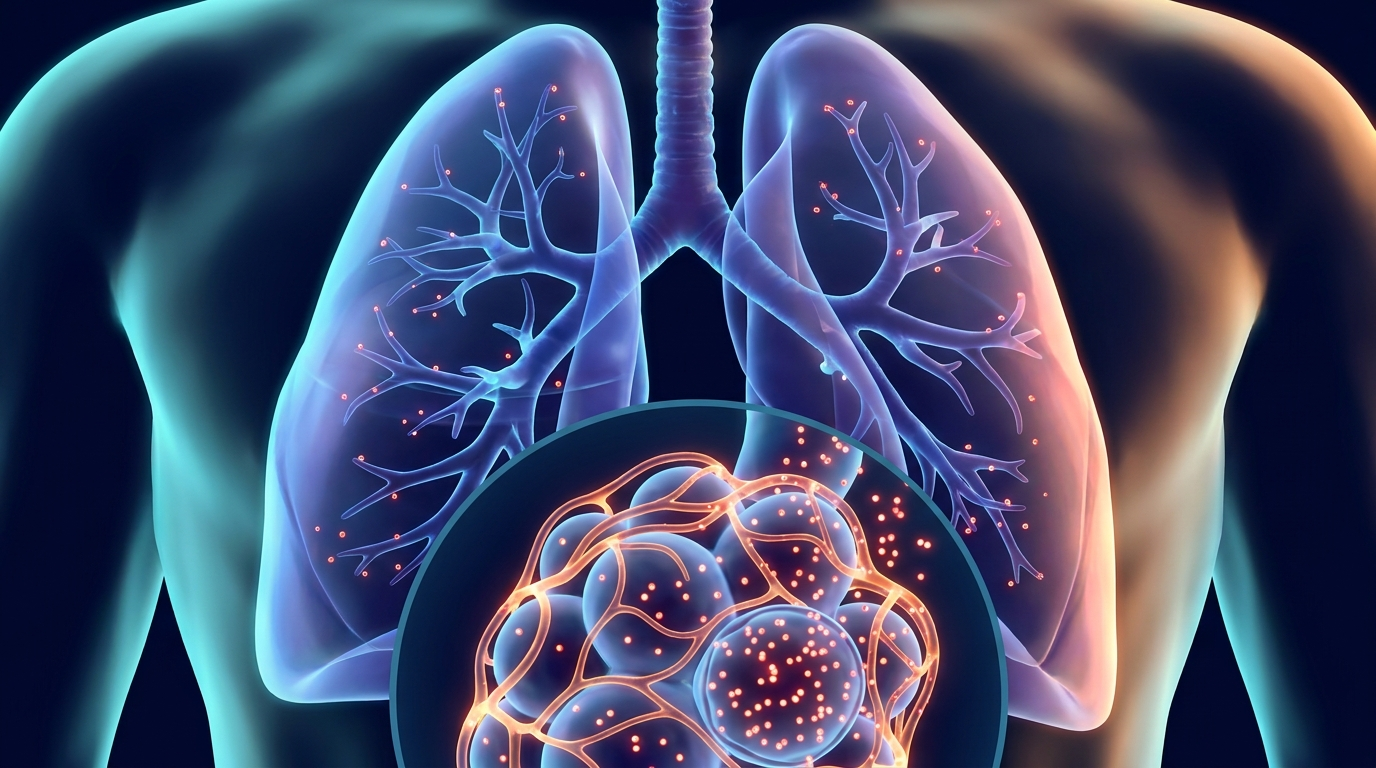
The real problem isn't cardio. It's CO₂ tolerance. When you grapple, strike, or scramble, your body produces CO₂ faster than you can offload it through mouth breathing. Your respiratory system panics. You hyperventilate, your nasal/mouth airway gets dry, and your heart rate spirals. By Round 2 you're broken — not because your aerobic engine isn't there, but because your nervous system gave up first.
The fix is the same one Soviet Olympic teams figured out in the 1960s, Patrick McKeown systematized in The Oxygen Advantage, and increasingly the BJJ / MMA world is catching onto: train through your nose, raise your CO₂ tolerance, stop the panic spiral before it starts.
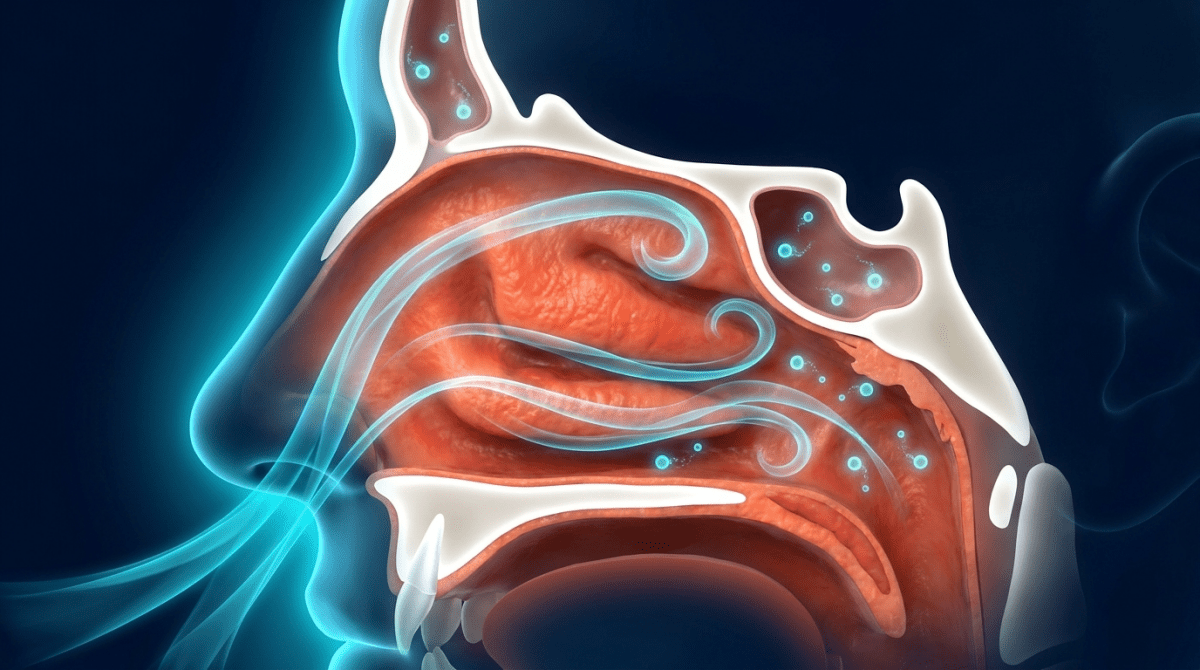
Why nasal breathing transforms combat performance
Documented mechanisms
- Up to 6× more nitric oxide from nasal breathing — better oxygen delivery to fast-twitch muscle (Lundberg 1996)
- CO₂ tolerance adaptation via Buteyko protocols — most fighters' BOLT scores are catastrophically low (12–18s) because of years of mouth breathing
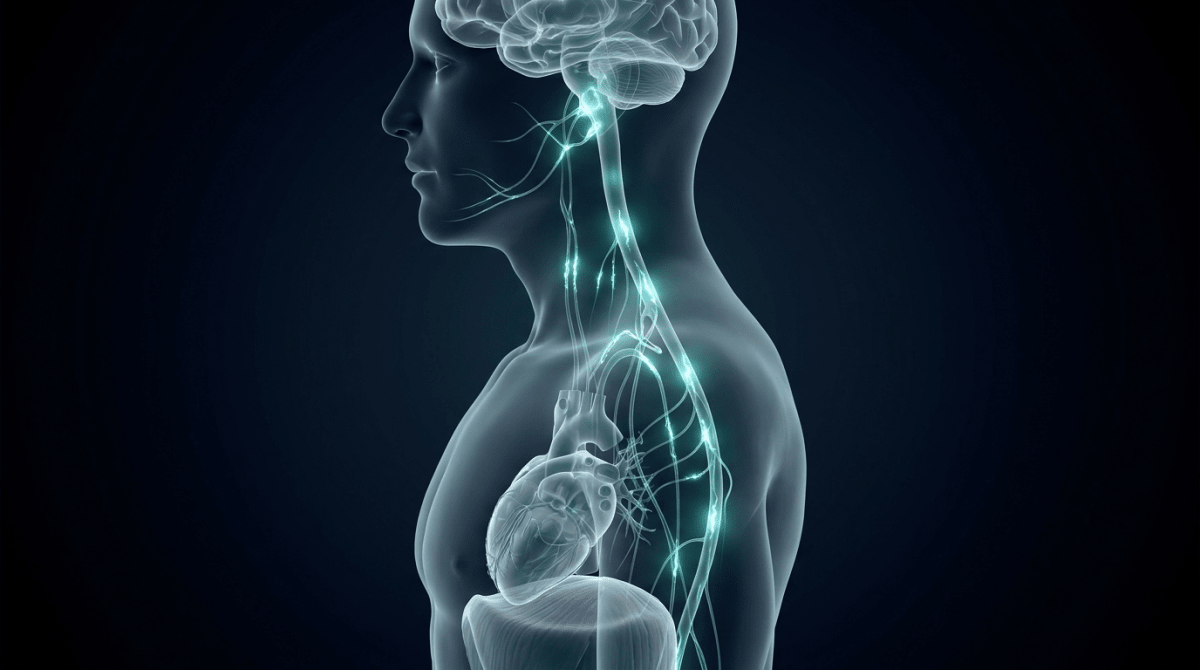
- Vagal tone elevation — slower HR escalation under load, faster between-round recovery
- HRV improvement of 10–30% within 4 weeks of consistent practice
What fighters report after 6 weeks
- Less air-gulping in Round 2 and 3
- Faster between-round HR recovery — visibly clear when you're cornered and trying to compose
- Better composure under top pressure in BJJ — when someone is sitting on your chest, mouth breathing is impossible. The nasal pathway has to be open.
- Lower resting HR — typically 3–8 bpm drop
- Better sleep on training nights — parasympathetic carryover
The combat athlete's protocol
Before training
Apply a Strapflow strip before you tape up. Sits flat across the bridge of the nose. Holds through sweat, scrambles, top pressure, and 90-minute open mats. Won't come off during a takedown attempt.
During rolling / sparring
- Default to nasal breathing whenever you can. Bottom mount, side control, half guard — keep your mouth closed.
- You're going to need to mouth-breathe during scrambles and explosive work. That's fine. The strip stays on and the airflow assist helps your recovery in the next still moment.
- When you get back to a controlled position, return to nasal breathing immediately. This is the practice.
- During the round, before exhaustion sets in: remember that your urge to mouth-breathe is often a CO₂ panic signal, not actual oxygen need. The protocol trains you to push through it.
Between rounds / between rolls
- Close your mouth. Nose only.
- Inhale 4 seconds, exhale 8 seconds — Nestor's vagus reset protocol.
- You'll see your HR drop 20–30 bpm in the first minute if your CO₂ tolerance is adapted.
Striking-specific
Boxing, kickboxing, Muay Thai: same protocol. The "huff" exhale you do on every strike doesn't break nasal-only breathing if you keep your mouth closed. Most strikers find their accuracy and timing improve when they stop hyperventilating between exchanges.
Sleep
Apply a Strapflow strip every night. Combat athletes under-recover constantly. Nasal breathing during sleep deepens REM, raises HRV, and accelerates the connective tissue and CNS recovery you need to keep training hard.
BOLT score for fighters
Take your BOLT once a week. Most fighters start in the 12–18s range. Anything under 20s means CO₂ panic comes early in every roll. Target 25s+ within 8 weeks. Elite Olympic combat athletes hit 30s+.
Every 5-second BOLT improvement correlates with measurably later onset of "gassing" feeling.
Common mistakes
- Mouth-breathing during the warm-up. The warm-up is where you set the nervous system tone for the entire session. Nasal only, even when it feels weirdly slow.
- Not wearing the strip during rolling. Sweat, top pressure, takedowns — fighters assume the strip won't survive. It does. We test on grapplers.
- Skipping sleep wear. Recovery is non-negotiable in combat sports. Sleep nasal breathing is the cheapest, fastest recovery upgrade you have.
- Quitting in week 2. Adaptation kicks in week 3. Don't read this article, try it for 10 days, and bail. It works on the timeline the protocol describes, not faster.

For BJJ specifically
The protocol matters more for grappling than almost any other sport because you spend long stretches under top pressure where mouth breathing is mechanically impossible. If your nasal airway is partially blocked (most adults have chronic low-grade congestion), bottom side control becomes an oxygen panic instead of a working position.
Strapflow physically holds your nasal airway open when you're being smashed. This is the unsexy mechanical reason elite competitors who've tried it don't go back.
For MMA / Muay Thai
The clinch and dirty boxing are where nasal-only breathing wins fights. The competitor who can breathe quietly while being smothered against the cage has a massive composure advantage in scoring. Nasal strips visibly worn by Premier League soccer players and NFL QBs are the same product principle — airway efficiency under load.
Where Strapflow fits
Every training session. Roll, spar, hit pads, run circuits. Apply it with your tape.
Every night. Recovery upgrade you can't buy through any supplement.
Black 30-Pack — one month of training + sleep — $17.90 →
FAQ
Will it stay on through a hard roll? Yes. Sweat-resistant, designed for 12-hour wear with full movement.
Does my opponent's hand brushing my face dislodge it? The strip is flat against the bridge — incidental contact doesn't move it. A deliberate scrape probably will, but you'd notice. We've tested with grapplers; it survives.
Is this legal in competition? Yes. Nasal strips are not a banned substance or device in any combat sport competition we're aware of, including IBJJF, ADCC, UFC, and Olympic wrestling.
Sources
- Patrick McKeown — The Oxygen Advantage
- James Nestor — Breath
- Dr. Konstantin Buteyko — Original 1950s research
- Lundberg JO et al. — Nasal nitric oxide, 1996

Dejar un comentario
Este sitio está protegido por hCaptcha y se aplican la Política de privacidad de hCaptcha y los Términos del servicio.