
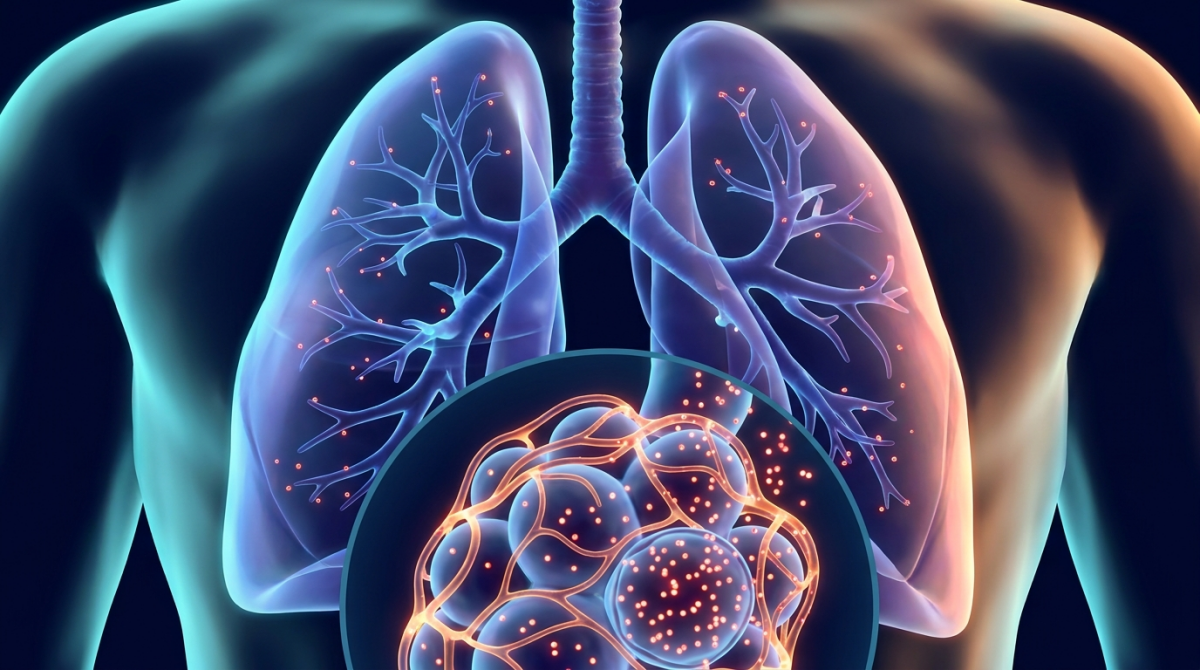
Read time: 9 minutes. The protocol that's quietly changing how WorldTour pros build their aerobic engine — and the small black strip that makes it sustainable through 4-hour rides.
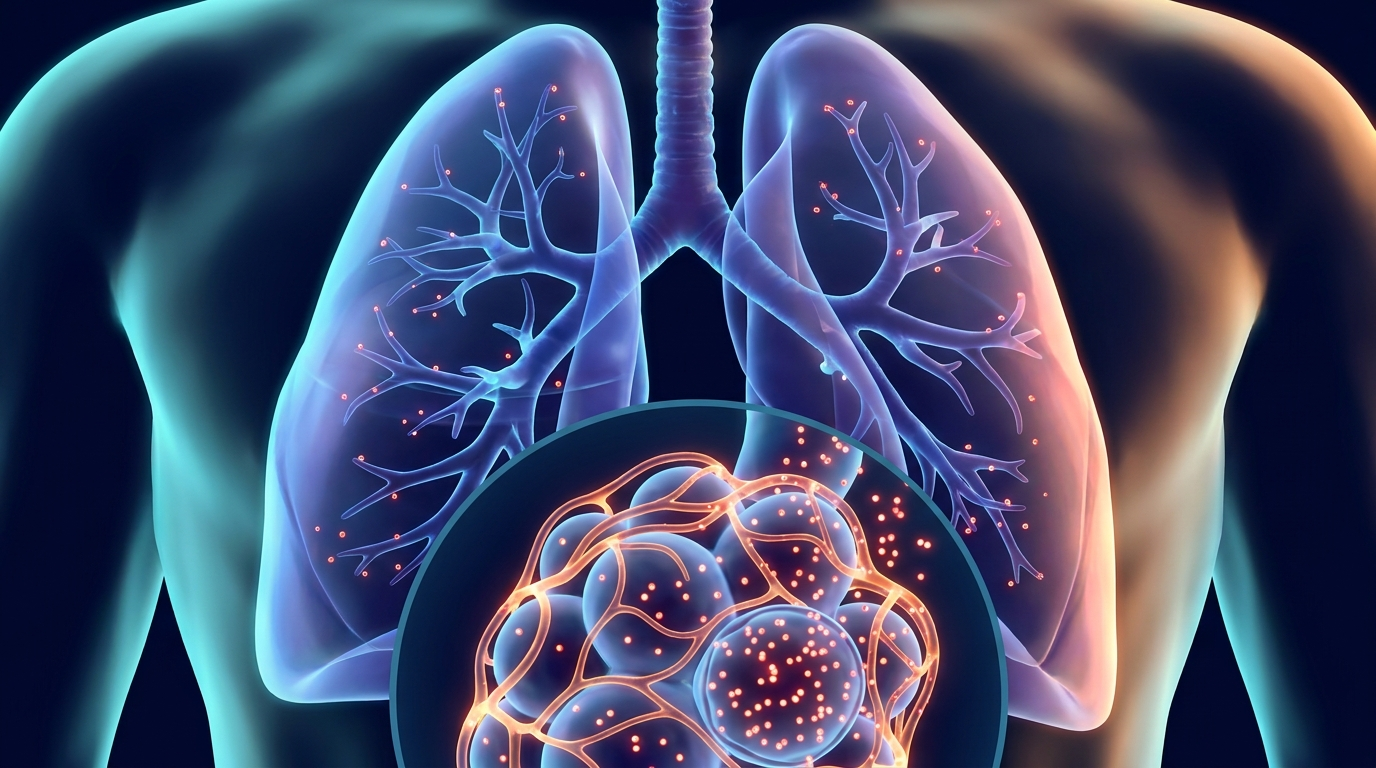
The cyclist's secret: lower power-to-HR ratio without harder training
Every cyclist tracks the same metric: watts at threshold, watts at FTP, and the most important hidden one — heart rate at a given power. The lower your HR for the same watts, the more aerobic capacity you have. The closer you are to elite efficiency.
Most cyclists try to lower this number by training more, training harder, or fueling better. Few realize that how they breathe during their Zone 2 base miles changes this ratio more reliably than any of those.
The protocol is grounded in Buteyko Method research from 1950s Russia (the original Olympic distance-running breathing protocol) and modernized for endurance athletes in Patrick McKeown's The Oxygen Advantage. James Nestor's Breath documented it. WorldTour teams quietly use it. You can run it for free.
Why nasal breathing transforms cycling
The mechanisms — documented
- Nitric oxide is up to 6× higher when breathing through your nose. NO dilates blood vessels, lowering vascular resistance and delivering more oxygen to working leg muscles (Lundberg 1996).
- CO₂ tolerance training via nasal-only Zone 2 work lowers your respiratory rate at the same VO₂ output. Studies on recreational runners show up to 30% reduction in breathing rate at equivalent intensity (Dallam et al. 2018) — the same mechanism applies on the bike.
- HRV climbs 10–30% within 4 weeks of consistent nasal breathing during base training — measurable on Whoop, Oura, Garmin within the first 7–14 days.
What riders report after 6–8 weeks
- 5–10 bpm lower HR at the same Zone 2 power
- Significantly less fatigue at the end of long rides (3+ hours)
- Faster recovery between intervals in sub-threshold workouts
- FTP improvements of 2–5% reported anecdotally, especially in masters athletes who plateau easily
- Subtle cerebral clarity on long rides — the CO₂ cerebral vasodilation effect
The 8-week cyclist's protocol
Week 1–2: Foundation
- Apply a Strapflow strip before every ride. Fits under your helmet, doesn't interfere with sunglasses.
- All Z1 spinning, recovery rides, and warm-ups: nasal only.
- Z2 rides: try nasal-only for the first 30 minutes; allow mouth breathing only if HR climbs above zone.
- Sleep: strip every night. 8 hours of nasal breathing is the protocol's biggest leverage point you're not using.
Week 3–4: Zone 2 conversion
- Every Z2 ride is now nasal-only, strip on the entire time. If you can't sustain nasal breathing at your Z2 power, you're riding too hard for Z2 — power down 10W.
- Intervals stay normal (mouth breathing during efforts is fine) but the strip stays on throughout — the airflow assist reduces breathing work even during hard efforts.
- BOLT retest end of week 4. Expect +3 to +8 seconds.
Week 5–6: Sub-threshold work
- Long Z2 rides (90+ minutes) nasal-only with the strip on. This is where the protocol compounds.
- Add nasal-only sub-threshold pickups: 6 × 30 seconds at 85% FTP, nose only. You'll feel air hunger — that's the training signal.
- Power-at-HR data: your watts at the same HR should be measurably higher now. Pull a 4-week comparison from your head unit.
Week 7–8: Race integration
- Race-pace tempo: nasal-in / mouth-out hybrid. This is what most pros use during long climbs.
- Race day: apply a strip with the rest of your kit. Nasal-only first 70% of any race longer than 1 hour, hybrid for the final push.
- Final BOLT. 8–15 second gain is typical over the full protocol.

Strapflow application: when and where
Every ride. Indoor trainer sessions, Zwift, real-world rides, group rides, races. The strip sits flat under any helmet strap. Sweat-resistant for 12 hours.
Every night. 8 hours of nasal-only sleep is where the underlying CO₂ tolerance adapts.
Two contexts, both critical. Most cyclists try one and quit before they see results. Do both.
Black 30-Pack — one month of riding + sleep — $17.90 →
Common mistakes
- Skipping the strip during indoor trainer sessions. Trainer environments are often dry — nasal-only sessions feel harder without the airflow assist. Wear it.
- Switching to mouth breathing at every Z2 zone breach. The whole point is the nasal feedback. Slow down instead.
- Only using it during the actual ride. Sleep wear is where the long-term adaptation happens. Skip it and progress stalls.
- Quitting in week 2. Adaptation kicks in week 3. Most riders who quit, quit on day 12.
FAQ
Does it interfere with cycling sunglasses or helmet? No. The strip sits below the eyewear and above the helmet strap.
Can I race with one on? Yes — exactly what the strip is built for. Pros wear them in Grand Tours.
How is this different from mouth tape? Mouth tape forces nasal breathing by sealing your mouth. Strapflow opens your nasal airway so nasal breathing is physically easier. Many cyclists use both at night, just the strip during rides.
Sources
- Patrick McKeown — The Oxygen Advantage
- James Nestor — Breath
- Dallam GM et al. — "Effect of Nasal Versus Oral Breathing on VO2max," 2018
- Lundberg JO et al. — Nasal nitric oxide and pulmonary function, 1996


Hinterlasse einen Kommentar
Diese Website ist durch hCaptcha geschützt und es gelten die allgemeinen Geschäftsbedingungen und Datenschutzbestimmungen von hCaptcha.